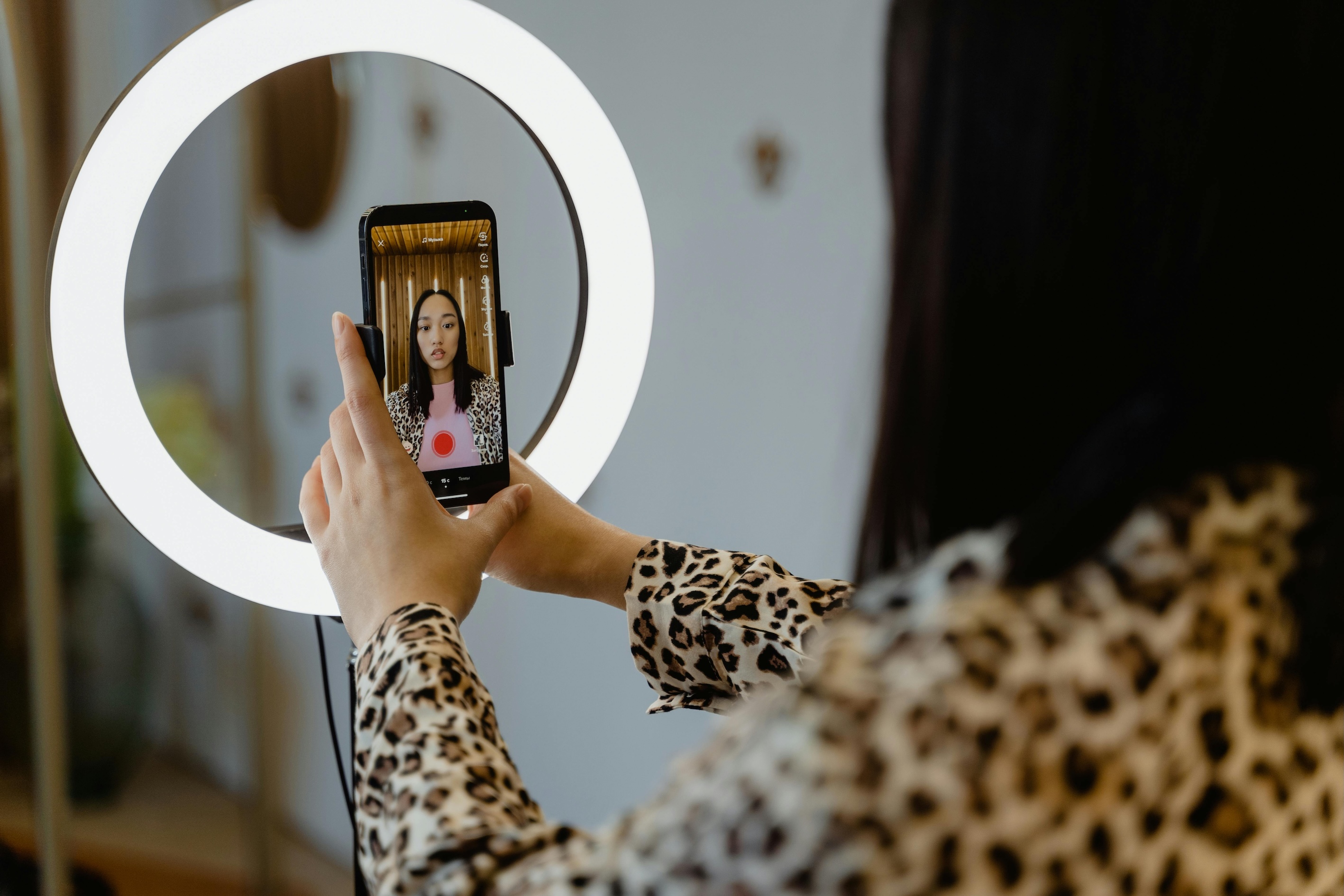
This year, influencer marketing has made social media the largest advertising channel globally, reaching an impressive $247.3B, and a predicted $266.92B by the end of 2025.
It’s no surprise that marketers across the globe have utilised social media’s exponential growth to push their products. With brands jumping on the influencer wave so quickly, it becomes a race as to who can bag the content creators with the largest following and most influence. Subsequently, however, impersonal and shallow marketing follows.
We have seen brands crack the code to influencer campaigns, so what can we learn from these successes?
How CeraVe Turned a SuperBowl Ad into an Influencer Marketing Phenomenon
In early 2024, actor Michael Cera was ‘spotted’ by social media influencers signing CeraVe moisturisers, followed by paparazzi ‘leaking’ photos that made front pages. In the following weeks, Cera sent out what looked like bootlegged PR boxes to influencers, appeared on a podcast where he was grilled about skincare. During this he appeared to storm off, whilst claiming to have developed the brand himself.
In response to this, CeraVe issued a statement apparently denying Cera’s involvement in developing the brand, but said that they were “flattered to share Mr Cera’s passion for moisturiser, and wish him well”.
The conspiracy came to an end when the Super Bowl rolled around. CeraVe finally let the cat out of the bag with their advertisement featuring Cera, which quickly became the no.1 Super Bowl campaign, earning 15 billion impressions before the event itself. The ad saw a 2200% increase in searches for CeraVe, with a whopping 25% increase in sales. The campaign was very popular with audiences, reflected by media outlets such as Glamour publishing articles requesting “More little weirdos in beauty campaigns, please”.
A relatable dorky actor who has starred in some huge cult-classic films (most of which are equally dorky), promoting an affordable skincare brand that’s marketed towards the ‘every-man’, in a very ‘Cera’ manner, isn’t what you normally think of when you think of beauty marketing. The commercial itself was suitably unhinged, featuring Cera as a clone giving himself a massage, a mystical looking dolphin, and the actor climbing a mountain whilst slathering moisturiser on the stone. The frenzy of attention that this campaign received was achieved with the help of 400+ influencers who served as the catalyst in the blaze of viewers.
Why Audiences are Losing Trust in Influencers
In a digital world where we are feeling more and more starved of authenticity, these kinds of collaborations are a much needed breath of fresh air. This begs the question: are we done with soulless influencer collaborations?
Unilever reported that 50% of consumers prefer to discover brands on social media, with half of those consumers making an influencer recommended purchase once a month. However, it is not always a reliable market.
With the internet becoming a breeding ground for wannabe influencers, there inevitably comes a higher output of inauthentic content, and with that a higher level of distrust from consumers. Whether it emerges from influencers failing to disclose paid advertisements, or promoting a brand or product that clearly doesn’t align with their usual content and values, authentic content production and community-aimed digital marketing is something that audiences are yearning for more than ever.
A spokesperson for HypeAuditor, a site that identifies fake Instagram and YouTube followers, stated “Influencers have a problem with audience trust… it’s because many of them advertise everything they were paid to.”
TikTok Shop and the Rise of Commission-Driven Content
Nowadays, you don’t even have to have been paid directly by a brand, or have any kind of following to push products and earn commission. Whilst scrolling, you may have noticed a large increase in the amount of videos on TikTok that have that small ‘commission paid’ text tucked away in the bottom left. Now, everyday people are making videos and linking to seemingly unrelated products on the TikTok Shop to try and make a quick buck.
It now seems that our ‘fyps’ (‘for you pages’) are pushing more and more ads at us, whether that be paid influencer content, regular unskippable ads, or UGC (user generated content). You may suddenly see a link to a random vegetable chopper that will be used once and then sit in the back of your kitchen cupboard collecting dust. A top that looks perfect for your upcoming work event, but upon arrival is completely see-through, gets you some stern looks from HR and goes straight into the bag you’ve been meaning to take to the charity shop.
The real kicker is when these ads for random products are from users posting AI generated videos. You can’t help having a sneaking suspicion that Dave from Manchester with 65 followers, never even bought that vegetable chopper in the first place. This surge in inauthenticity is making audiences miss the unique ‘Cera’ style ad from 2024. So, the question is, how can we get back going into 2026?
The Shift Towards Niche Communities and Micro-Influencer Campaigns
It seems that what customers really want now is community. Likeminded individuals who understand a certain niche, and a brand that’s willing to provide the scratch to this itch. Out of recent digital marketing trends, community-driven marketing seems to be the future.
This is not to say that influencer collaborations are a thing of the past. Anything from it, but more so that these collaborations must be authentic and really meet consumer wants and interests. As we have learnt from Cera’s campaign (that was fuelled by influencers), this marketing does feel like the soulless, mass-produced, samey scripted content assigned to influencers that seem to all have come from the same factory.
Sometimes, less is more. Influencers who have 1,000 to 10,000 followers, often referred to as ‘nano-influencers’, have far greater engagement rates than ‘mega-influencers’. Collabs with smaller influencers are not only more affordable, but generally more authentic.
Does this mean that the best approach to collaborative digital marketing would be for many brands to work with smaller, local influencers? We think so.
What Digital Marketers Should Prioritise Going into 2026
For an audience to feel prioritised and cared for, brands must understand the communities that they want to appeal to. This is much harder to achieve through someone that knows nothing about your niche is paid to be the face of a product or service. It’s lazy and impersonal and audiences can see it.
This is why we believe that authentic influencer collaborations are the future of influencer marketing and is what all digital marketers must strive for if they’re to truly thrive in this sector.